What AI Face Scan Really Reveals About Your Health
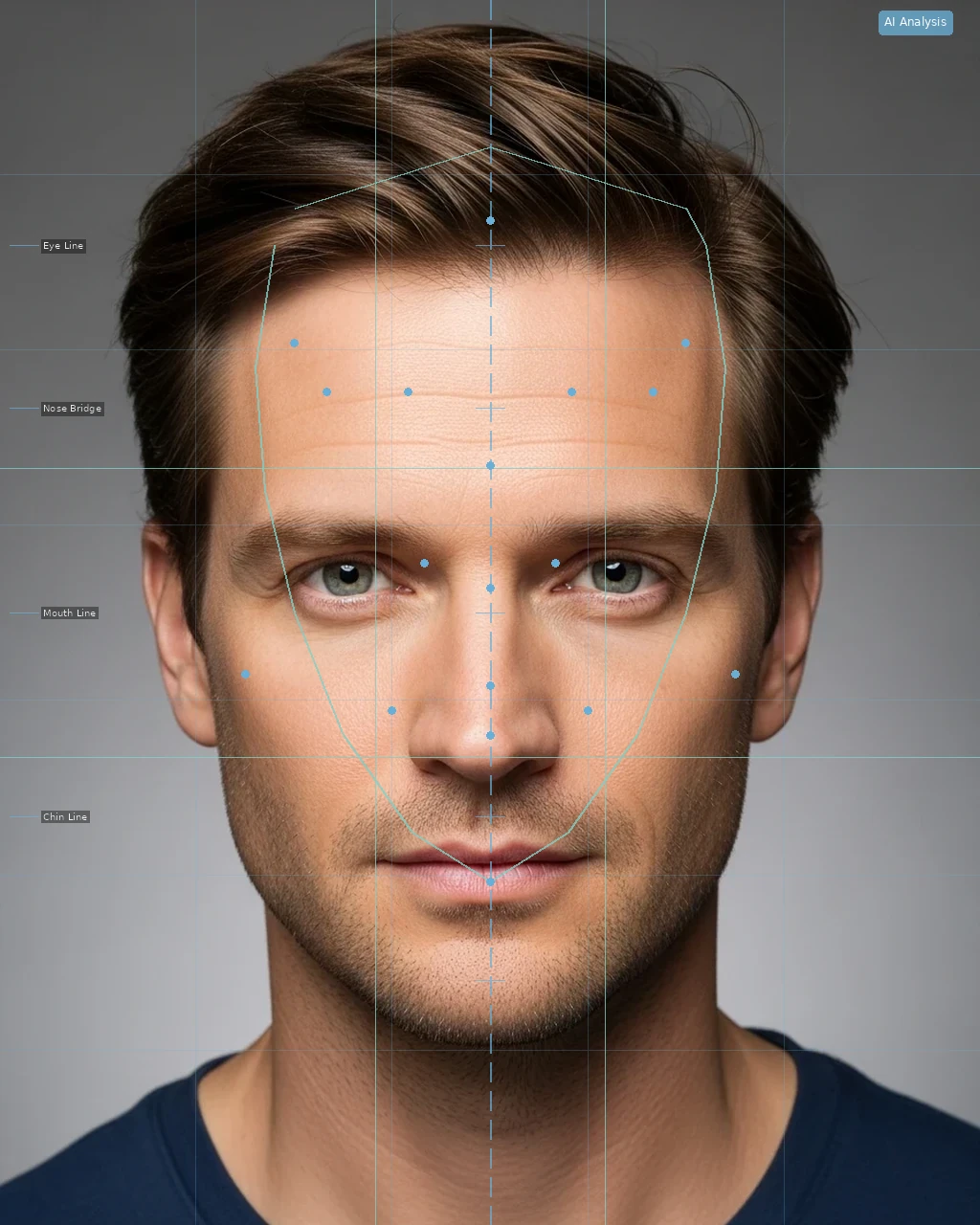
An AI face scan does not diagnose disease, but it can highlight visible patterns that often track with biological aging, skin quality, and lifestyle stress. The human face contains a remarkable amount of information. Changes in elasticity, pigmentation, texture, under-eye appearance, and facial volume can reflect cumulative exposure to sun, sleep disruption, dehydration, smoking, and normal aging processes.
This matters because chronological age and biological appearance do not always move together. Two people of the same age can look meaningfully different depending on collagen integrity, inflammation, UV exposure, and skin barrier health. A well-designed AI face analysis system helps quantify those visible differences instead of leaving them to guesswork or subjective impressions.
Computer vision works by identifying measurable facial features and comparing them against learned patterns. In beauty and age analysis, this commonly includes landmark geometry, wrinkle presence, skin smoothness, contrast distribution, and symmetry. Facial symmetry itself has long been discussed in aesthetics and perception research, and you can explore the concept further on Wikipedia's facial symmetry article.
- Skin texture can reflect hydration, barrier function, and cumulative damage.
- Wrinkles and fine lines often correlate with collagen decline and photoaging.
- Tone unevenness may indicate sun exposure, inflammation, or pigmentation changes.
- Structural balance influences perceived attractiveness and facial harmony.
In practice, an AI face scan is most useful as a baseline and tracking tool. It helps you understand what your face is communicating visually today and whether your habits are moving your skin and appearance in a better direction over time.
How Face Age's AI Analysis Works
Face Age is designed to make advanced facial assessment accessible in a simple, fast workflow. Instead of relying on vague labels, the system analyses 68 facial landmarks and evaluates 12 age markers to generate structured outputs in under 60 seconds. The goal is not to overwhelm you with technical jargon, but to turn a photo into useful, interpretable feedback.
- Step 1: Image capture and landmark mapping. You upload or take a clear front-facing photo. The system detects key facial points around the eyes, nose, mouth, jawline, brows, and facial contour to establish precise geometry for analysis.
- Step 2: Skin and age marker assessment. Face Age evaluates visual indicators linked to aging and skin condition, including texture irregularity, wrinkle distribution, elasticity-related cues, tone evenness, and clarity. These markers are interpreted together rather than in isolation.
- Step 3: Personalised results and scoring. You receive outputs such as estimated biological age, beauty metrics, facial symmetry insights, skin health indicators, and an aging forecast. This gives you a practical snapshot you can use immediately and revisit over time.
For anyone comparing tools, this is where Face Age stands out. It is a face scan online experience built around speed, measurable inputs, and privacy-first design. If you want a clear starting point for your skin and appearance goals, trying a scan is one of the fastest ways to begin.
What You Will Discover
A good AI face reader should do more than produce a single score. Face Age is built to show multiple layers of information, because visible aging and attractiveness are multi-factor concepts. Looking younger, healthier, or more balanced rarely comes down to one feature alone.
After your scan, you receive outputs that help you understand both your current appearance and the factors shaping it. This makes the tool useful whether your goal is skincare optimisation, curiosity about biological age, or tracking changes after improving sleep, sun protection, or treatment routines.
- Biological age estimate: A visual age assessment based on skin and facial aging patterns, not just your birth date.
- Beauty score: A composite aesthetic score informed by harmony, proportions, and overall presentation.
- Symmetry index: A measure of left-right facial balance and structural consistency.
- Skin health grade: An overview of hydration-related appearance, clarity, smoothness, and evenness.
- Aging forecast: A projection of how current visible patterns may influence future appearance if habits remain unchanged.
- Feature-level feedback: Insight into which visible characteristics most strongly affect your results.
- Progress tracking potential: A baseline you can compare against later scans after skincare or lifestyle changes.
This breadth is what turns a simple face scan app into a decision-making tool. Instead of wondering whether your routine is helping, you can monitor trends in visible markers and make more targeted adjustments.
The Science Behind AI Face Scan
The science behind an AI face scan sits at the intersection of dermatology, biomarker research, psychophysics, and computer vision. Faces are rich in measurable data. Researchers have long studied how age-related changes appear in skin microrelief, wrinkle formation, pigmentation, facial fat distribution, and soft tissue support. Modern AI systems build on that foundation by extracting repeatable visual features from digital images.
In dermatology, photoaging is one of the most studied contributors to visible facial aging. Chronic ultraviolet exposure accelerates collagen breakdown, elastin damage, dyspigmentation, and roughness. The underlying process is covered in the literature on photoaging, and it explains why two people of the same age can present very different facial age patterns.
Work by researchers such as Dr. Christopher Griffiths has helped clarify the biological basis of skin aging, especially the distinction between intrinsic aging and environmentally accelerated aging. In facial aging research, experts including Dr. Alexes Hazen and other plastic and dermatologic specialists have also documented how changes in volume, laxity, and skin quality alter perceived age. Computer vision does not replace this clinical knowledge. It translates visible correlates into measurable image features.
Landmark-based analysis is central here. By identifying standard facial points, algorithms can calculate proportions, distances, angular relationships, and asymmetries. On top of geometry, image-processing methods assess texture gradients, contrast, pore visibility, wrinkle density, and color distribution. These techniques are common in computer vision and pattern recognition.
The connection between perceived age and health outcomes has also been studied in biomedical literature. A frequently cited area of research suggests that perceived age can reflect broader biological aging processes. For example, you can explore PubMed literature on the topic here: Perceived age as a biomarker of ageing. Another relevant concept is skin aging biology, summarised in resources such as molecular mechanisms of skin aging.
Of course, scientific credibility depends on limits as much as capabilities. A selfie cannot measure everything. Lighting, camera quality, facial expression, makeup, and angle can influence output. That is why responsible tools present results as informative estimates rather than diagnoses. The value lies in consistency, trend tracking, and objective visual assessment.
When used properly, AI facial analysis offers something difficult for the naked eye to do reliably: quantify subtle changes over time. That makes it useful not only for curiosity, but for monitoring the visible impact of skincare, sleep, UV protection, and broader lifestyle habits.
Key Factors That Influence Your AI Face Scan Results
Your scan results are shaped by both long-term biology and short-term conditions. Some factors are structural and relatively stable, while others can shift meaningfully within weeks or months. Understanding this helps you interpret results without overreacting to a single scan.
Genetics set a baseline for bone structure, facial proportions, pigmentation tendencies, collagen resilience, and wrinkle patterns. This is one reason some people naturally appear younger or more symmetrical than others.
Lifestyle is often where the largest controllable differences appear. Sleep quality, smoking, alcohol intake, nutrition, stress, and exercise all influence inflammation, circulation, water retention, and skin recovery. Inconsistent sleep alone can worsen under-eye appearance, dullness, and perceived age.
Environment also matters. Sun exposure is one of the biggest drivers of visible facial aging. Air pollution, low humidity, and temperature extremes can impair barrier function and worsen texture and tone. Skincare habits then determine how well your skin defends and repairs itself.
- Sun exposure: A major contributor to wrinkles, spots, and elasticity loss.
- Hydration status: Can affect plumpness, texture, and brightness.
- Skincare consistency: Regular cleansing, moisturising, and sunscreen use improve visible quality.
- Recent routine changes: Retinoids, exfoliants, or professional treatments may alter results over time.
If you want the most useful reading, take your scan in clear, even lighting with a neutral expression and minimal visual interference. Then repeat under similar conditions. That makes your AI face analysis far more actionable and lets you track real change rather than photographic variation. If you are curious, the easiest next step is to run a baseline scan now and compare again after a few weeks.
Expert Tips to Improve Your AI Face Scan Results
Improving your results usually means improving the underlying factors the camera can see: smoother texture, more even tone, better hydration appearance, and reduced signs of fatigue or sun damage. There is no magic shortcut, but the evidence-based basics are powerful when done consistently.
Use sunscreen daily. Broad-spectrum SPF remains the most effective topical step for preventing photoaging. Even excellent skincare cannot fully compensate for repeated UV damage. If your goal is to lower visible age markers, this is the highest-value habit.
Prioritise sleep. Poor sleep is strongly linked to dullness, puffiness, and a more tired appearance. Seven to nine hours of consistent sleep supports repair processes that affect how your skin looks on camera and in real life.
Support hydration and barrier function. Drink enough fluids, but also remember that topical moisturisers and barrier-supportive ingredients are key. Skin that retains water well usually appears smoother and more resilient.
Eat for skin health. A nutrient-dense diet with adequate protein, omega-3 fats, fruits, and vegetables supports collagen maintenance and helps regulate oxidative stress. Excess sugar, heavy alcohol use, and smoking tend to push results in the wrong direction.
- Exercise regularly to support circulation and metabolic health.
- Use retinoids carefully if appropriate, as they are among the best-studied topical anti-aging ingredients.
- Treat pigmentation gently with consistent sunscreen and evidence-based active ingredients.
- Track rather than guess by repeating scans under similar conditions.
Face Age is especially useful here because improvement is easier to maintain when you can measure it. If you are building a routine, review the science resources at Face Age research and use your scan as a monthly progress marker. A smart face scan online tool is not just about evaluation. It helps turn good intentions into visible accountability.
AI Analysis vs Traditional Methods
Traditional appearance assessment often depends on mirrors, casual opinions, or one-off professional consultations. Those approaches can be helpful, but they also have limitations. Human judgment is subjective, and even trained observers may differ when evaluating age perception, symmetry, or skin quality.
Dermatologist visits provide medical expertise that AI cannot replace, especially when diagnosing skin conditions or recommending treatment. But they are not always designed for instant aesthetic benchmarking or regular at-home tracking. Manual scoring systems can also be time-consuming and less consistent across observers.
An AI face scan offers a different advantage: speed, repeatability, and structured output. In less than a minute, Face Age can analyse 68 landmarks and multiple visible markers to provide a baseline you can revisit over time. That makes it especially useful for self-monitoring, skincare optimisation, and objective comparison before and after routine changes.
The best approach is complementary. Use AI for quick, data-informed tracking, and seek a qualified clinician when you need diagnosis, treatment planning, or expert medical advice.
Your Privacy and Data Security
Privacy is not an optional feature in facial analysis. Face Age is designed so that photos are processed in-browser, which means your image does not need to be permanently uploaded or stored on remote servers for analysis. After processing, photos are deleted and are not shared with third parties.
This privacy-first approach reduces unnecessary data exposure while still delivering fast results. Face Age also follows GDPR-compliant principles for handling personal data responsibly. For users, that means you can try an AI face reader without feeling like you are trading away sensitive biometric information.
When a platform analyses your face, trust matters. Fast results are useful only if the process also respects your security and control.
Ready to Discover Your AI Face Scan Results?
A quality AI face scan can give you more than a novelty score. It can show how your skin, symmetry, and visible age markers come together right now, and it can give you a baseline for real improvement over time.
Face Age makes that process simple: fast analysis, no complicated setup, and practical results you can actually use. If you want to see your biological age estimate, beauty metrics, and skin health indicators in under a minute, this is an easy place to start.
Try Face Age today and get an instant, privacy-first face scan app experience with no unnecessary friction.
You May Also Like
Celebrity Look Alike Test: Find Your Famous Match — Take a celebrity look alike test to find your face match, beauty insights, and...
Facial Proportion Analysis: What Your Ratios Show — Explore facial proportion analysis, ideal face proportions, and facial...
Beauty Score Test: What Your Face Reveals — Take a beauty score test to see your facial beauty score, symmetry and skin...