What NAD+ Supplements for Aging Really Reveal About Your Health
NAD+, short for nicotinamide adenine dinucleotide, is not a beauty trend molecule. It is a core coenzyme involved in cellular energy production, metabolic signaling, and DNA repair. Because NAD+ participates in redox reactions across the body, interest in NAD+ longevity has grown from a real biological foundation rather than pure marketing.
What makes this topic important is that declining NAD+ may reflect broader changes in mitochondrial function, inflammation, and tissue resilience. Researchers have linked NAD+ metabolism to sirtuins, PARPs, and other systems associated with cellular maintenance. In plain terms, people are interested in NAD+ because it may influence how well cells cope with stress over time.
Still, NAD+ is not a standalone readout of health. A supplement cannot cancel out chronic sleep loss, smoking, high UV exposure, or poor diet. That matters because visible aging is shaped by both internal biology and external habits. Skin quality, elasticity, pigmentation, and wrinkle formation all reflect cumulative biology rather than one single pathway.
For that reason, the real value of learning about NAD+ is not chasing a miracle pill. It is understanding how one metabolic system fits into a bigger aging picture that includes skin health, recovery, and long-term resilience.
- Cellular energy: NAD+ helps convert nutrients into usable energy.
- Repair pathways: It supports enzymes involved in DNA maintenance.
- Stress response: NAD+ availability may influence how cells respond to oxidative stress.
- Aging relevance: Interest rises because NAD+ levels tend to decline with age.
For a useful overview of the molecule itself, see Wikipedia's NAD+ article. The science is real, but the leap from mechanism to anti-aging outcome needs careful interpretation.
How Face Age's AI Analysis Works
Even if you are exploring NMN supplements or nicotinamide riboside, the question often becomes practical: do your habits appear to be affecting visible aging? Face Age is designed to answer that with a fast, structured facial analysis rather than vague impressions from the mirror.
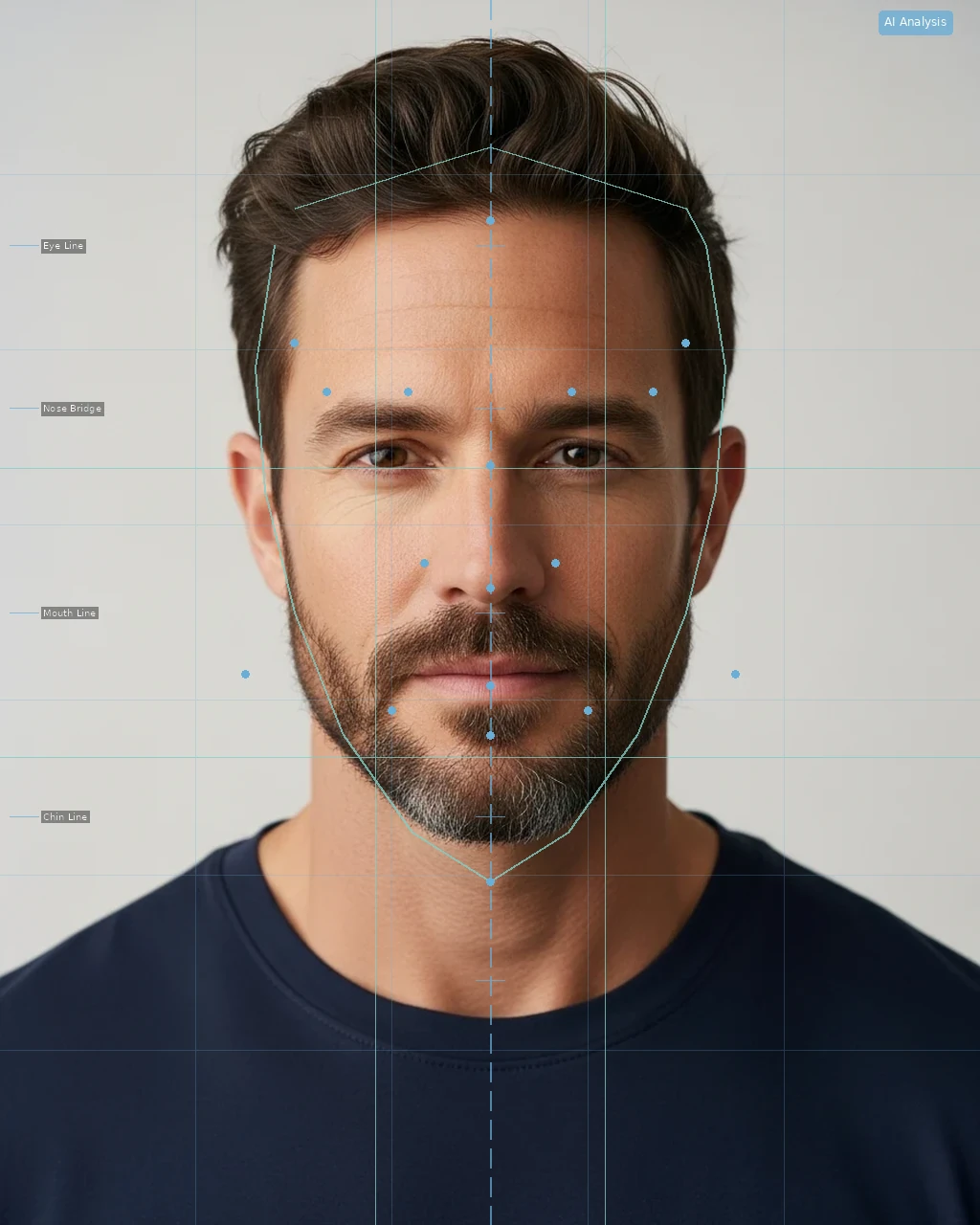
The platform analyses 68 facial landmarks and evaluates 12 age markers linked to visible aging patterns, including wrinkle distribution, skin texture shifts, facial proportions, and symmetry-related features. The process takes under 60 seconds, making it easy to establish a baseline before you change your routine and compare later.
- Image capture: You upload a clear, front-facing photo taken in neutral lighting. The system identifies key facial geometry and maps 68 landmarks across the face.
- Marker analysis: The model evaluates 12 visible age markers, along with skin health and beauty-related indicators such as clarity, evenness, and harmony.
- Results delivery: You receive a biological age estimate, beauty and symmetry outputs, and practical insights you can use to monitor lifestyle or supplement-related changes over time.
No facial tool can confirm whether a supplement is raising NAD+ in your tissues. What it can do is help you track whether your broader routine seems to correlate with visible changes. If you want an objective starting point before testing a longevity stack, trying Face Age first is a sensible move.
What You Will Discover
Face Age is useful for readers interested in NAD anti-aging strategies because it turns visible aging into something more measurable. Instead of relying on memory or subjective photos taken months apart, you get structured outputs tied to specific facial features.
This can be especially helpful if you are combining supplements with sleep improvements, exercise, better photoprotection, and skin care. In that setting, the tool is less about proving one molecule works and more about tracking whether your full routine seems to support a healthier-looking face.
- Biological age estimate: A model-based estimate derived from visible aging markers rather than chronological age alone.
- Beauty score: A composite output based on facial harmony, balance, and perceived attractiveness features.
- Symmetry index: An assessment of left-right facial balance using mapped landmark data.
- Skin health grade: Insights related to texture, clarity, hydration cues, uneven tone, and signs associated with photodamage.
- Aging forecast: A directional view of how your current visible markers compare with typical aging patterns.
- Change tracking: A practical baseline if you want to compare before and after lifestyle or supplement adjustments.
For users curious about nicotinamide riboside aging discussions, this kind of measurement adds realism. A supplement may support internal pathways, but the outcomes you care about often include whether your skin looks calmer, more even, or less fatigued over time. Objective visual feedback helps keep expectations grounded.
The Science Behind NAD+ Supplements for Aging
The modern interest in NAD+ supplements comes from a well-established biological role. NAD+ is required for energy metabolism and acts as a substrate for enzymes including sirtuins and poly(ADP-ribose) polymerases. Researchers such as David Sinclair and Shin-ichiro Imai helped popularize the idea that age-related NAD+ decline could influence metabolic and cellular aging pathways.
Preclinical studies in mice have shown that boosting NAD+ precursors can improve some markers of metabolic health and mitochondrial function. That is one reason compounds like nicotinamide riboside and NMN supplements entered the public conversation. These molecules are precursors, meaning the body can convert them into NAD+ through salvage pathways.
However, the most important scientific distinction is this: increasing NAD+ in blood or tissues is not the same as proving broad anti-aging effects in humans. Human trials have shown that nicotinamide riboside can raise NAD+ metabolite levels, but downstream benefits vary by study design, population, dosage, and endpoint. Some findings are promising for metabolic parameters or subjective fatigue, while others show modest or limited effects.
A useful review of nicotinamide adenine dinucleotide biology and aging can be found on Wikipedia. For human evidence around nicotinamide riboside, PubMed provides direct access to clinical literature, including studies such as this human trial overview. Another relevant area is the broader role of sirtuins in aging biology.
From a visible-aging perspective, the connection is biologically plausible but indirect. Skin aging involves mitochondrial stress, inflammation, glycation, collagen degradation, and especially ultraviolet radiation exposure. Even if NAD+ support improves cellular resilience, its visible effect on skin and facial aging is likely to depend heavily on sleep quality, diet quality, exercise, smoking status, and photoprotection. In other words, a supplement may be one small lever in a very large system.
That is why science-minded users should treat NAD+ products as an experiment, not a certainty. If you try one, define your goal clearly. Are you looking for energy, exercise recovery, perceived skin quality, or healthy aging support? Then track changes over time rather than relying on hype. For appearance-related goals, combining internal biomarkers with visual measures is often more informative than supplement marketing claims alone.
Key Factors That Influence Your NAD+ Aging Outcomes
Your response to an NAD+ precursor is unlikely to depend on the supplement alone. Baseline health, age, stress load, and daily habits can all shape whether any change is noticeable. Two people taking the same dose may report very different outcomes because their underlying biology and lifestyle are not the same.
Genetics may influence enzyme activity in metabolic pathways, while age affects baseline NAD+ dynamics and recovery capacity. Lifestyle matters just as much. Regular exercise, good sleep, and a nutrient-dense diet support mitochondrial function and insulin sensitivity, which may interact with how you feel on a supplement.
Environment also plays a major role in visible aging. Ultraviolet exposure, air pollution, smoking, and chronic psychological stress can accelerate skin aging independent of any longevity stack. If your goal is a younger-looking face, these factors may overpower any subtle benefit from NAD+ support.
Skin care is another practical variable. Retinoids, sunscreen, moisturization, and pigment-control strategies often produce clearer visible changes than supplements alone. That does not make supplements irrelevant. It simply means you should understand where they sit in the hierarchy of effect.
If you want to test whether your broader routine is helping, start with a baseline analysis and repeat it under similar conditions. That is a far better approach than guessing from memory or changing six habits at once.
Expert Tips to Improve Your NAD+ Aging Outcomes
If you are considering NAD+ supplements for aging, the smartest strategy is to build a strong foundation first. Supplements are most rational when they sit on top of evidence-based daily habits rather than trying to replace them.
- Protect your skin from UV: Daily broad-spectrum sunscreen remains one of the most effective anti-aging interventions for visible skin aging. UV exposure is a major driver of collagen breakdown, pigmentation, and texture decline.
- Prioritize sleep: Poor sleep affects metabolic health, inflammation, and how rested your face looks. Consistent sleep often improves under-eye appearance, skin tone, and recovery.
- Hydrate and eat for skin support: A diet rich in protein, colorful plants, omega-3 fats, and minimally processed foods supports tissue maintenance better than any single capsule.
- Exercise regularly: Aerobic and resistance training support insulin sensitivity, mitochondrial function, circulation, and long-term healthy aging.
- Use proven topicals: Retinoids, vitamin C, and moisturizers with barrier-supporting ingredients can have a more direct effect on skin than oral longevity products.
- Track, do not assume: If you try nicotinamide riboside or NMN, monitor changes over weeks or months rather than expecting a dramatic overnight effect.
For readers who want to go deeper into the evidence, the Face Age research page is a good starting point for understanding age markers and facial analysis science. You can also use the platform to create a baseline before adding a supplement, then reassess after your routine has been stable for a meaningful period.
The key is realism. NAD+ support may be biologically interesting, but the most reliable visible gains still come from habits you can repeat every day.
AI Analysis vs Traditional Methods
Traditional anti-aging assessment is often fragmented. A clinician may evaluate skin quality during an appointment, you may judge your face in changing lighting at home, and supplement companies may point to lab mechanisms without showing visible outcomes. That makes it hard to separate perception from pattern.
Face Age offers a faster and more structured alternative for appearance tracking. Instead of relying on subjective impressions, it analyses facial geometry and skin-related visual cues instantly. Results arrive in under a minute, without the time, cost, or access barriers of repeated specialist visits.
This does not replace a dermatologist for diagnosing skin disease or a physician for interpreting blood biomarkers. But for routine monitoring of visible aging markers, AI analysis can be more consistent than casual self-assessment. If your goal is to evaluate whether your lifestyle and supplement routine appears to be helping, an objective baseline is much more useful than guesswork.
Your Privacy and Data Security
Privacy matters, especially with facial data. Face Age is designed with a privacy-first approach so users can explore visible aging insights without giving up control of sensitive images.
Photos are processed in-browser whenever possible, are never stored on servers after analysis, and are deleted immediately once processing is complete. The platform does not share your images with third parties for advertising or unrelated profiling.
This approach supports GDPR-aligned data handling and reduces the risk that personal photos become part of a permanent cloud archive. For users testing biohacking routines, that means you can track changes over time without creating unnecessary privacy tradeoffs.
Ready to Discover Your NAD+ Aging Profile?
NAD+ science is promising, but the smartest path is evidence over hype. Learn what the supplements may do, keep expectations realistic, and measure outcomes that matter to you. If visible aging is one of your goals, use objective tracking rather than relying on memory.
Face Age makes that easy with a free, instant analysis that requires no signup for your first check. In under 60 seconds, you can establish a baseline for biological age, skin health, and facial symmetry, then monitor how your routine evolves over time. Try it before and after your next longevity experiment.
You May Also Like
Microneedling Progress Tracker: See Real Skin Change — Use a microneedling progress tracker to measure skin change, compare before...
Red Light Therapy Face Results: What to Expect — Discover red light therapy face results, timelines, skin benefits, and how to...
Facial Yoga Exercises: Do They Really Work? — Learn how facial yoga exercises may affect aging signs and track changes with...